
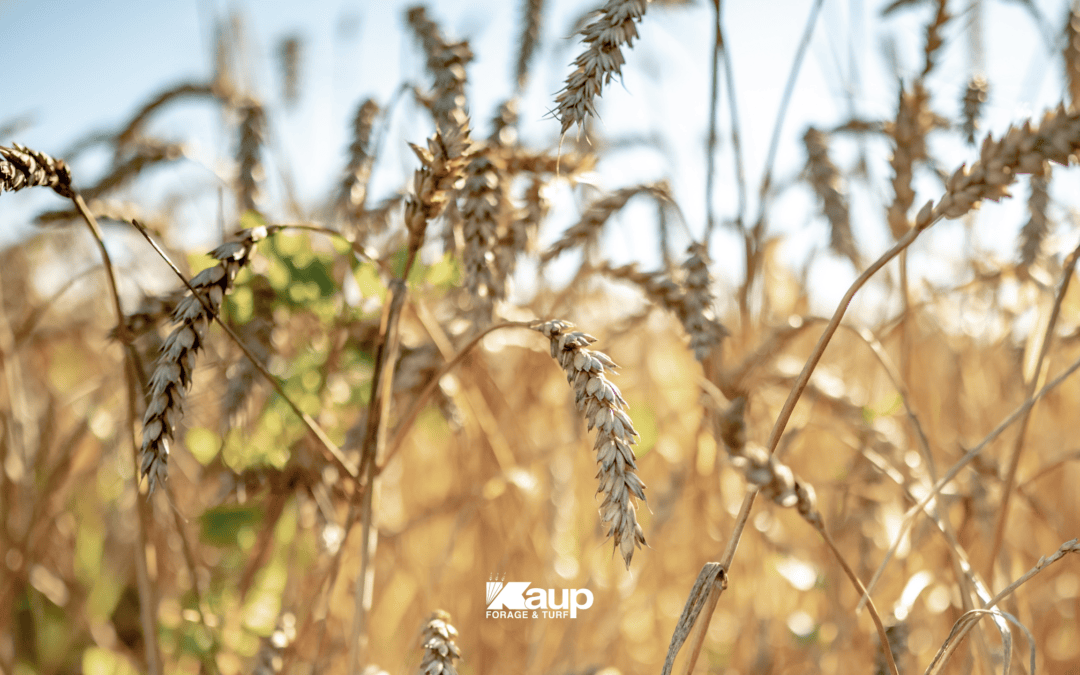
Winter Rye, Cover Crops and Lime: What you can still get in this Fall
Fall alfalfa closed August 25. Fall forage grasses closing on September 15.
So a lot of guys look at the calendar right now and figure fall planting is over. Put the drill away, wait for spring.
That’s leaving money on the ground. Three things are still wide open, and two of them close October 15.
What’s Closed and What Isn’t
Closed: Fall alfalfa. Fall-seeded forage grasses. Anything warm-season.
Still open:
- Winter small grains. September 10 through October 15
- Fall cover crops. Now until the ground is 34 degrees
- Lime. lime can go in any time of year
The grains are your clock. Everything else you have room on.
Cereal Rye Is the Workhorse
If you plant one thing this fall, plant rye.
It’s the toughest winter grain there is. It comes up in cold soil when nothing else will. It keeps putting down roots through the winter while everything around it sits dormant. And it comes back in spring ahead of anything else you could have planted.
It’s also the most forgiving on timing. Wheat and triticale want to be in the ground by the end of September. Rye will still take hold if you’re running behind.
What it gets you:
- Fall grazing, if you get it in early enough
- Roots holding your soil all winter instead of letting it blow
- Ground cover that keeps weeds from getting a head start
- A big pile of spring forage before you’d be planting anything else
- Nitrogen pulled up and held instead of leaching away
One thing to know: rye gets tall. It’ll run five feet by the middle of May if you let it. That’s great if you want forage. It’s a headache if you want to plant corn behind it and you’re late terminating. Plan your spring exit before you plant.
The Other Three
Winter wheat. Shorter than rye and easier to manage in spring. Holds its feed quality later into the season. Good pick if rye’s height worries you or if you might take it to grain.
Winter triticale. A rye-wheat cross. Splits the difference. More manageable than rye, holds quality better than rye. A lot of guys running cattle like it.
Winter barley. Least winter-hardy of the four. Works in a mild year, but it’s the one most likely to bite you in a hard one.
Quad Grain and Tri Grain mixes. Several grains in one bag. Spreads your risk instead of betting the field on one species. Good option if you’re not sure what the winter’s going to do.
Get the Timing Right
Want fall grazing? Drill by mid-September. The grain needs six weeks of decent weather to make enough growth to graze. Norfolk’s first hard freeze is usually around October 3. That’s your clock.
Just want spring forage or cover? You’ve got more room. Rye planted into early or mid-October will sit tight, root a little, and come on strong in April.
Drill it, don’t broadcast it. Broadcast seed sitting on the surface in October is bird feed. If you have to broadcast, follow with a light harrow and bump your rate.
Add a Legume, Cut Your Fertilizer Bill
Grain covers hold nitrogen. Legume covers make it.
Austrian winter peas and hairy vetch both pull nitrogen out of the air and put it in your soil. Mix either one with rye and you get the erosion control plus a nitrogen credit for next year’s crop.
One thing to get right: plant them earlier than the grains. Legumes need more fall growth to survive winter. Get them in by the end of September and they’ll have time to establish before it turns cold.
Not sure whether a legume is worth adding to your mix? Give us a call and we’ll walk through it.
Lime Works Any Time, But Fall Works Best
Here’s the one nobody gets around to.
Lime doesn’t work fast. It takes three to six months to move your soil pH. Spread it in April and you’ll see the benefit sometime in the fall, after you’ve already planted the crop that needed it.
Spread it now and the winter does the work for you. Freezing and thawing pulls it down into the soil. By spring it’s already working.
Why it matters more than most people think: if your pH is off, your fertilizer doesn’t work right. You can spread all the nitrogen and phosphorus you want, and the plant can’t take it up. A lot of what looks like a fertility problem is actually a pH problem.
If you haven’t pulled a soil test in three or four years, pull one this fall. If it comes back low, you need to get lime on.
What Comes After
Dormant seeding opens November 15. You put seed on cold ground, it sits all winter, and it comes up in spring on moisture you didn’t pay for. Works on pastures, native grass, CRP acres, and lawns.
We’ll get into that next month. Just know it’s coming, so don’t write off the year in October.
The Short Version
- Winter small grains: September 10 through October 15. The one hard deadline
- Fall cover crops: as long as soil stays above about 34 degrees
- Lime: any time, but fall is the smart time
- Cereal rye is the toughest and the most forgiving on timing
- Wheat and triticale are easier to manage in spring
- Drill by mid-September if you want fall grazing
- Add peas or vetch for nitrogen, and inoculate the seed
- Pull a soil test. Lime now, not in April
- Dormant seeding opens November 15
Come See Us
We’re at 2001 Riverside Blvd in Norfolk. Open 7:30 to 5:00 Monday through Friday, and 7:30 to noon on Saturdays.
Tell us what you’re trying to get out of the acre, whether that’s grazing, cover, nitrogen, or all three, and we’ll put the right seed in the bag. We build custom mixes too, so if nothing off the shelf fits, we’ll make one.
Call 402-844-3304 or get in touch here.
Six weeks left on the grains and covers. Call before the drill goes in the shed.