
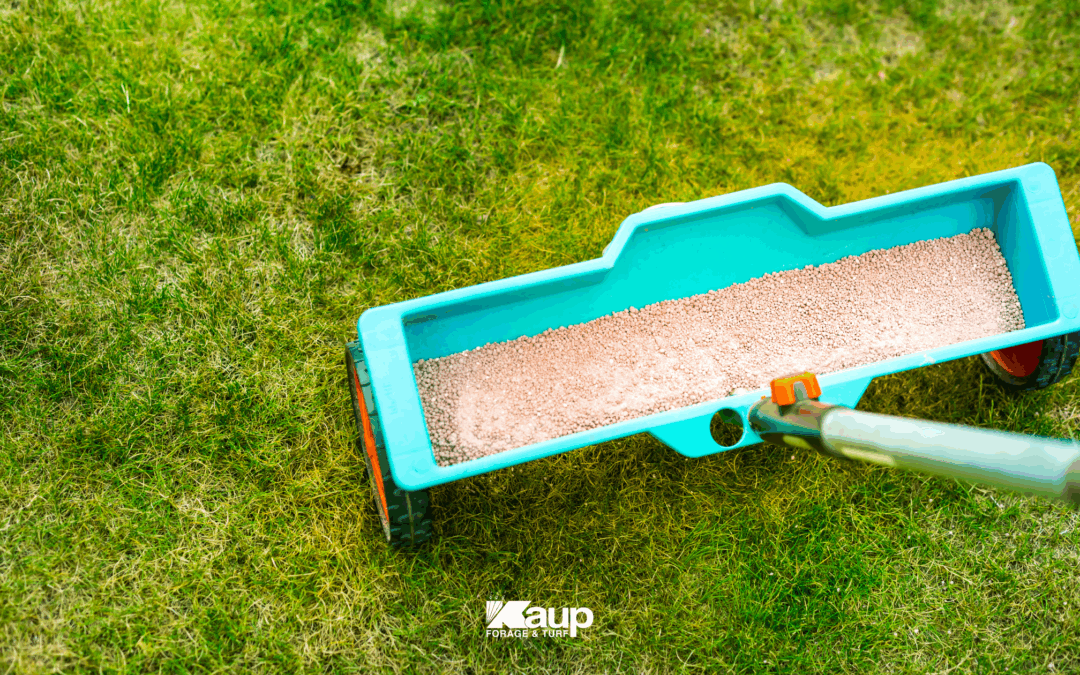
7 Powerful Reasons the Season Isn’t Over Yet for Applying Winterizer Fertilizer & Frost Seeding
Introduction: Why Late-Season Lawn & Pasture Care Still Matters
Many Nebraska growers assume that once the cold weather rolls in, the window for improving lawns, pastures, or food plots is gone. But the truth is—the season isn’t over yet. There’s still a valuable period left to apply winterizer fertilizer and to frost seed, two practices that can set your forage or lawn up for explosive spring growth.
These late-season applications take advantage of soil temperature trends, natural moisture patterns, and freeze–thaw cycles. When timed right, they deliver results that often outperform early-fall applications. So if you think you missed your chance this year… you haven’t!
Understanding Winterizer Fertilizer
What Is Winterizer Fertilizer?
Winterizer fertilizer is a slow-release nutrient blend designed to support root development as turf and forage plants prepare for winter dormancy. While it may look like regular fertilizer, winterizer mixes typically contain higher potassium and lower nitrogen, helping the plant conserve energy and strengthen its root system.
How Winterizer Fertilizer Supports Root Development Before Winter
Even if your grass blades stop growing above ground, the roots are still active beneath the surface. That’s where winterizer fertilizer shines. It gives those roots what they need to:
- Store more energy before winter
- Survive sudden cold snaps
- Reduce spring stress
- Green up earlier and stronger in March–April
Most growers notice thicker growth, deeper color, and improved drought tolerance when spring arrives.
Ideal Timing for Applying Winterizer Fertilizer in Nebraska
Nebraska’s climate creates a wide late-season window. Ideal timing is:
- When daytime highs are 40°–55°F
- After the final mow
- Before the ground freezes solid
This generally occurs from mid-October through early December, depending on your location in the state.
Even in late fall—yes, even now—your soil can still absorb nutrients effectively.
Common Mistakes to Avoid When Applying Winterizer Fertilizer
Avoiding missteps ensures your fertilizer works the way it should. Watch out for:
- Applying too early while grass is still actively growing
- Overapplying nitrogen
- Skipping soil testing
- Using a cheap spreader that broadcasts unevenly
Done right, winterizer fertilizer is one of the easiest ways to strengthen your lawn or pasture before winter.
The Science Behind Frost Seeding
What Does It Mean to Frost Seed?
To frost seed means to broadcast seed over dormant ground during late winter or early spring. As the soil freezes and thaws, the seed gets pulled into the surface naturally. This creates excellent seed-to-soil contact without tilling or drilling.
Why Frost Seeding Works So Well in the Midwest
Nebraska’s freeze–thaw cycles are perfect for frost seeding. Each time the soil surface rises and falls due to temperature swings, the seed gets worked into the top layer.
This natural process results in:
- Higher germination rates
- Better stand establishment
- Less labor compared to drilling
Best Seed Types for Successful Frost Seeding
Not all seeds frost seed equally well. The best choices include:
- Red clover
- White clover
- Ryegrass
- Timothy
- Alfalfa (when managed carefully)
These seeds are small, tough, and well-suited to surface broadcasting.
How to Prepare Your Soil for Frost Seeding
Before frost seeding season arrives:
- Graze or mow pasture low to reduce competition
- Rough up the surface lightly if the thatch is thick
- Broadcast seed before a freeze
- Let nature do the rest
Frost seeding is simple—but incredibly effective.
Late Fall and Early Winter: Your Second Chance for Success
Weather Conditions That Create the Perfect Window
Right now is one of the best times of year for:
- Warm soil (still absorbing nutrients)
- Cool air (reducing above-ground growth)
- Regular moisture
- Pre-winter freezes that help frost seeding later
This combination sets the stage for strong spring performance.
Tools & Supplies You’ll Need
For both winterizer fertilizer and frost seeding, you may want:
- Broadcast spreader
- Soil test kit
- Winterizer fertilizer formulated for cool-season grasses
- Clover or pasture seed suited for frost seeding
- Gloves and garden rake
You don’t need much—just good timing and good material.
Step-by-Step Guide: How to Apply Winterizer Fertilizer Properly
Application Rates
Most Nebraska soils respond best to:
- 0.5–1.0 lb of nitrogen per 1,000 sq ft
- Balanced levels of potassium
Soil testing will help fine-tune your numbers.
Spreading Techniques for Even Coverage
For best results:
- Split applications in two directions
- Keep a steady walking pace
- Overlap just enough to prevent striping
A smooth distribution today leads to smoother, greener growth in spring.
Step-by-Step Guide: How to Frost Seed for Maximum Germination
Broadcasting Seed Over Dormant Ground
Wait for late winter or very early spring. Then:
- Spread seed over frosted ground
- Target morning hours when the surface is firm
- Use a hand or push spreader for even coverage
Ensuring Seed-to-Soil Contact
The freeze–thaw action does most of the work. You can boost success by:
- Grazing livestock down before seeding
- Cleaning up thatch
- Running a chain drag very lightly if needed
Pairing Winterizer Fertilizer & Frost Seeding for Better Spring Growth
Why These Two Practices Work Well Together
Winterizer fertilizer strengthens roots. Frost seeding increases density.
Together, they:
- Improve pasture productivity
- Enhance lawn coverage
- Reduce weeds by filling bare spots
- Support healthier soil biology
Expected Spring Results
Growers who combine both practices usually see:
- Faster green-up
- Thicker grass
- More even color
- Higher forage output
FAQs About Winterizer Fertilizer & Frost Seeding
1. Is it too late to apply winterizer fertilizer?
Not at all—Nebraska growers can apply it until the ground freezes solid.
2. When should I frost seed?
Late winter to early spring, when freeze–thaw cycles are active.
3. Can I frost seed a lawn, or only pastures?
Both! Clover in lawns is becoming popular again.
4. Do I need to till before frost seeding?
No. That’s the beauty of the method.
5. Will winterizer fertilizer burn my grass?
Not if you use a proper late-season formulation and follow label rates.
6. Should I apply fertilizer before or after frost seeding?
They can be applied in the same season; fertilizer now, frost seed later.
Conclusion: There’s Still Time to Boost Your Lawn or Pasture
The season is not over—not even close. You still have a valuable window to apply winterizer fertilizer and prepare to frost seed in the coming freeze–thaw cycle. With just a bit of late-season work, you’ll set your lawn, pasture, or food plot up for a healthier, greener, more productive spring.